
Pests & Fertilizing 101
Houseplant Care 101: Everything You Need to Know About Pests & Fertilizing
If you've ever spotted tiny bugs on your favorite plant or wondered whether you're fertilizing correctly, you're not alone. Nearly every plant owner encounters pests at some point, and understanding how to prevent and manage them is one of the best skills you can develop. Fertilizing is also a LOT less scary than people think it is - and it’s incredibly rewarding to see healthy new growth as a direct result of fertilizing.
With a little knowledge and a consistent care routine, you can confidently identify common pests, treat them effectively, and keep your plants healthy for years to come. Plants are living organisms with their own immune systems and natural defense mechanisms. Our role as plant owners isn't simply to react when something goes wrong, but to create the conditions that allow plants to thrive. Healthy, well-supported plants are naturally better equipped to defend themselves against pests, recover from stress, and continue producing beautiful new growth.
Why Houseplants Get Pests
Common houseplant pests like spider mites, fungus gnats, thrips, mealybugs, and scale are already present in our environment. They can enter your home through open windows, hitch a ride on pets (or even ants), cling to your clothing, or arrive on newly purchased plants.
In fact, pests are incredibly common throughout the houseplant industry. Plants are often grown and transported closely together, creating ideal conditions for insects to spread. Some pests have even evolved resistance to many traditional synthetic pesticides, making prevention more important than ever.
If someone tells you they've never had pests, chances are they either haven't noticed them yet or simply haven't experienced a noticeable infestation.
What Makes Plants More Vulnerable?
While pests can affect any plant, certain conditions make infestations much more likely.
Not regularly inspecting your plants for pests
A great routine to get into is checking your plant for pests whenever you water it. Just a quick peek behind the leaves and along the stems on a regular basis will make it very obvious to you if something is different.
Dirty or neglected foliage
Dusty leaves reduce a plant's ability to photosynthesize efficiently and can make it harder to notice developing pest problems. Regularly cleaning your leaves also removes eggs and insects before populations grow.
Plants touching each other
Leaves that overlap create convenient "highways" for pests to move from one plant to the next.
Not quarantining new plants
Every new plant—or any plant returning from outdoors—should be quarantined before joining the rest of your collection.
A simple quarantine routine includes:
Keep the plant isolated.
Inspect every leaf, stem, and crevice.
Apply a preventative pest treatment.
Check daily for signs of insects.
If no pests appear after monitoring, move it into its permanent location.
Remember that many pests spend part of their lives as eggs or larvae, making them difficult to spot during an initial inspection.
Preventative care
The best pest control strategy is preventing infestations before they begin.A regular preventative routine helps keep pest populations low, making outbreaks easier to manage if they occur. It also saves money in the long run- some heavily infested plants simply aren't worth trying to save.Think of pest prevention the same way you think about regular exercise or healthy eating. You're strengthening the plant's natural defenses rather than waiting for problems to appear.
Supporting Your Plant's Natural Immune System
Plants naturally possess sophisticated defense systems. Outdoors, these defenses are supported by beneficial microbes, healthy soil, natural predators, fresh air circulation, and abundant sunlight. Indoor plants often miss many of these natural allies while also dealing with environmental stresses like dry air, inconsistent watering, and limited light. This makes supporting their health through proper care even more important.
How to Tell if Your Plant Has Pests
The most obvious sign is seeing the insects themselves, but there are many other clues:
Visible insects, eggs, or larvae
Patchy yellow or brown leaf damage
Leaves that appear thin, curled, or dehydrated despite adequate watering
Sticky residue (called honeydew) on leaves
Slow or stalled growth
New leaves that appear distorted or unusually small
Many common houseplant pests feed by sucking nutrients directly from plant tissues, which creates irregular damage rather than uniform yellowing.
Common Houseplant Pests
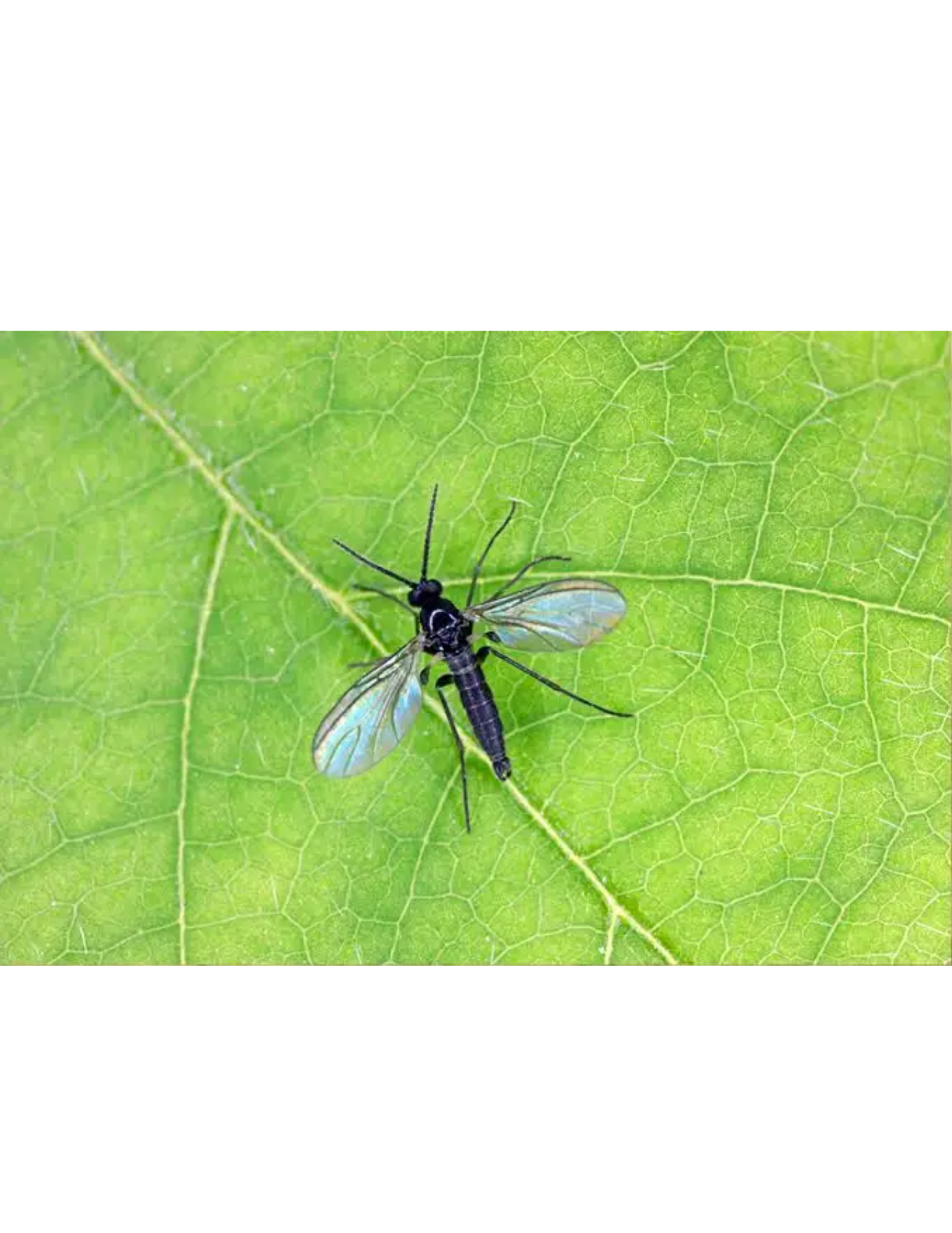
Fungus Gnats
These tiny flying insects are usually the first pest people notice. Adults fly around your plants, especially after watering, while their larvae live in the top few inches of moist soil.
Most common on: tropical plants and any plant with consistently damp soil.
Read our fungus gnat specific blog post here!
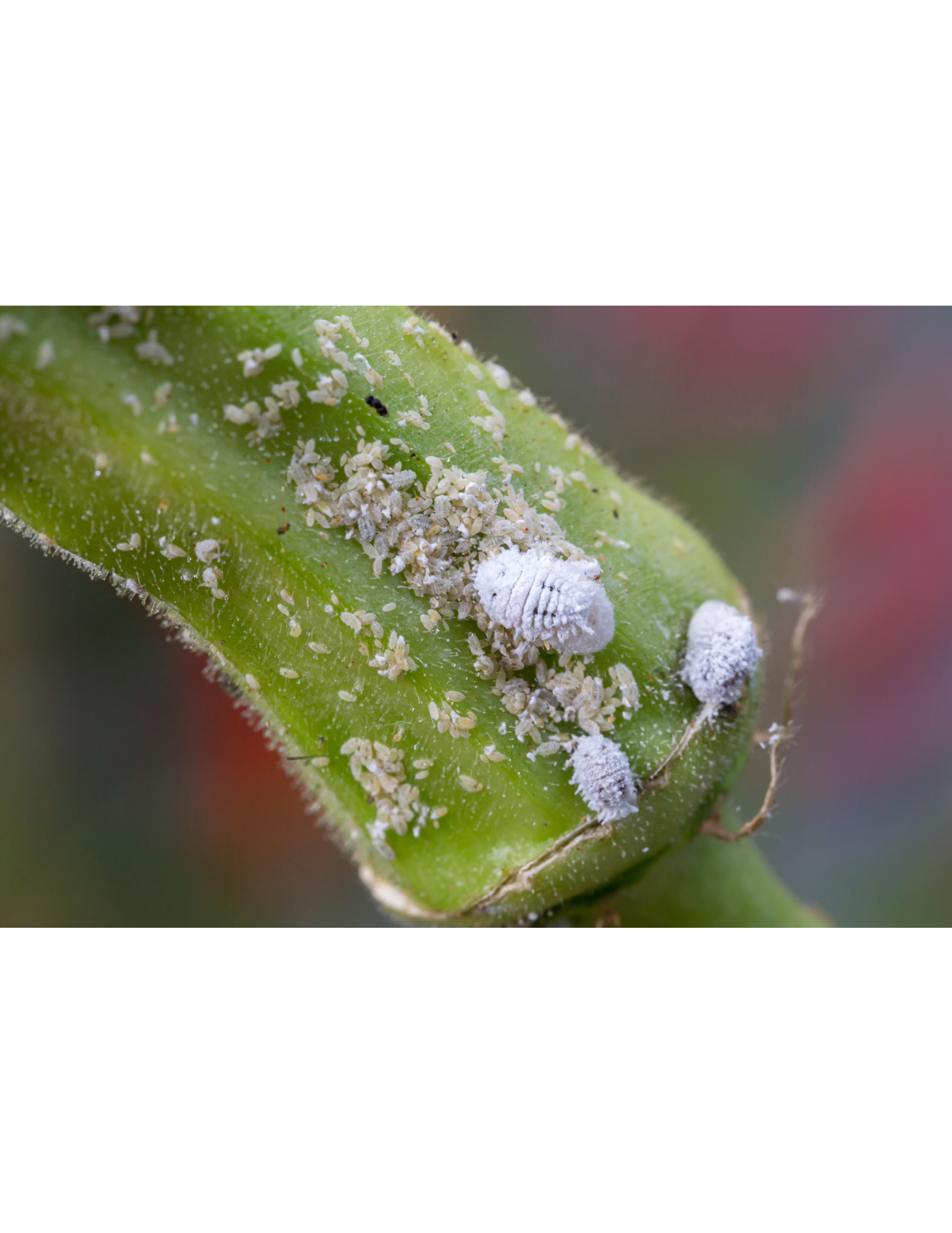
Mealybugs
Mealybugs look like tiny white cotton balls clustered along stems, leaves, and hidden crevices. They especially love the spaces where leaves meet stems.
Adult males have wings, allowing them to spread easily between plants.
Most common on: palms, ponytail palms, succulents, cacti, Hoyas, Dieffenbachia, Aglaonema, Alocasia, Philodendrons, Monsteras, and Ficus.
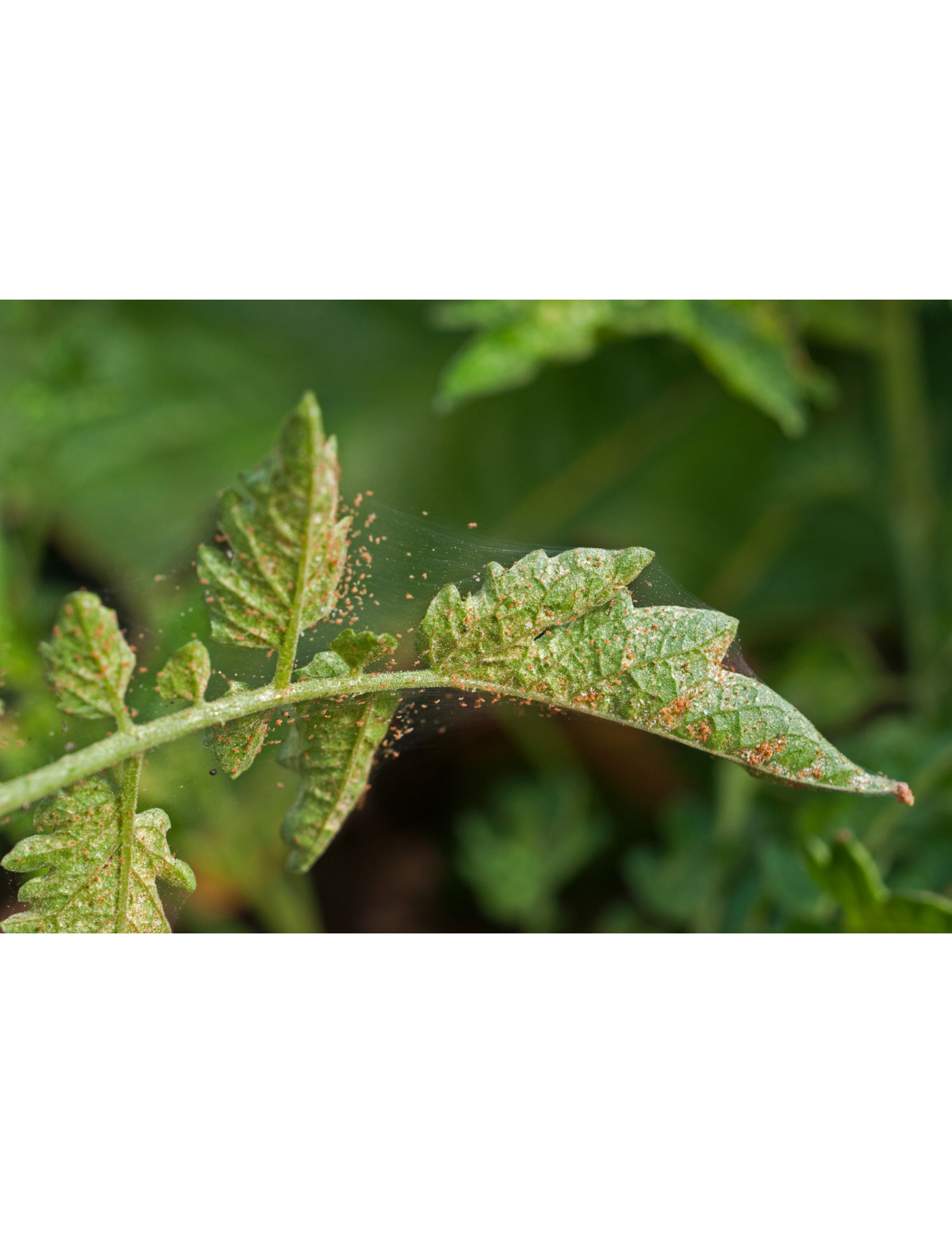
Spider Mites
Spider mites are extremely small and often difficult to see with the naked eye. One of their most recognizable signs is delicate webbing stretched between leaves and stems.
If you suspect spider mites, lightly mist the plant with water—the webs often become much easier to spot.
Most common on: palms, Calatheas, Marantas, Alocasias, and Ficus.
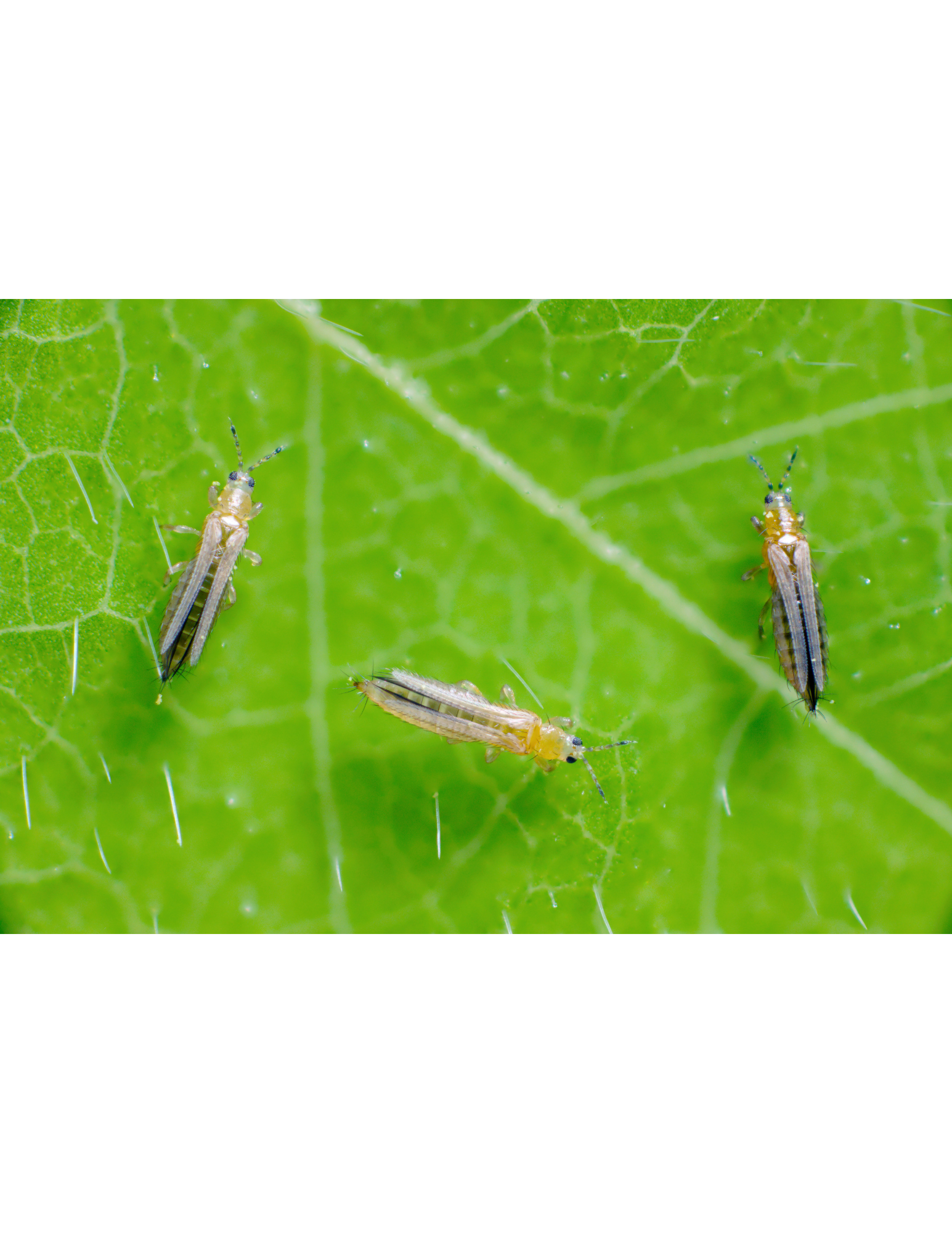
Thrips
Thrips have long, slender bodies. Young thrips are pale, while adults are darker with wings.
One reason they're particularly challenging is their life cycle: immature thrips often pupate in the soil before returning to the plant as adults to continue reproducing.
Most common on: Monsteras, Philodendrons, Pothos, Dieffenbachia, Alocasias, Calatheas, Marantas, and Ficus.
Scale
Young scale insects (called crawlers) move freely across the plant, while adults become fixed in place, appearing as small brown shells attached to stems and leaves.
Most common on: woody plants such as Ficus, citrus trees, Natal Mahogany, Dracaena, Hoyas, palms, orchids, succulents, and cacti.
How to Treat Houseplant Pests
Successful pest control usually requires a combination of physical removal and ongoing treatment.
Step 1: Wash the plant
Use a hose or pressurized spray bottle to knock off as many insects as possible.
Step 2: Remove visible pests
Dip a cotton swab in 70% isopropyl alcohol and gently remove insects by hand.
Alcohol kills insects on contact but does not prevent future infestations. Most plants tolerate it well, although spot testing is always a good idea.
Step 3: Spray thoroughly
Spray the entire plant—including the tops and undersides of leaves, stems, and every crevice—with isopropyl alcohol.
Allow the plant to dry completely and keep it out of direct sunlight while wet to avoid leaf burn.
Step 4: Apply a preventative treatment
After cleaning, treat the entire plant with your preferred preventative pest product.
Step 5: Repeat consistently
Most treatments should be repeated every 5–10 days according to product directions.
Even after pests appear to be gone, continuing preventative treatments monthly can help stop future outbreaks before they begin.
Why Plants Need Fertilizer
Plants produce sugars through photosynthesis, but sugars alone aren't enough to support healthy growth.
They also require mineral nutrients to build leaves, stems, flowers, roots, and strong natural defense systems.
Primary macronutrients (N-P-K)
Nitrogen (N) supports chlorophyll production, proteins, and lush green foliage. A deficiency often causes pale older leaves and slow growth.
Phosphorus (P) encourages healthy roots, energy transfer, and flowering. Deficiencies may result in weak root systems and poor overall growth.
Potassium (K) regulates water movement, strengthens plant tissues, and improves stress resistance. Low potassium often appears as weak stems or brown leaf edges.
Secondary nutrients
Plants also need calcium, magnesium, and sulfur for healthy cell walls, chlorophyll production, and enzyme function.
Micronutrients
Although needed in much smaller amounts, nutrients like iron, zinc, manganese, copper, boron, and molybdenum are essential for healthy plant growth.
Healthy Soil Is More Than Just Nutrients
Fertilizer provides nutrients, but living soil creates an ecosystem. Healthy soil filled with beneficial microbes and fungi helps plants:
Access nutrients more efficiently
Develop stronger root systems
Improve soil structure and moisture retention
Naturally suppress harmful pathogens
Better tolerate stress
Strengthen natural pest resistance
Living soil mimics the relationships plants experience in nature, creating healthier, more resilient houseplants.
Choosing the Right Fertilizer
Synthetic fertilizers
Synthetic fertilizers, like Miracle-Gro®, are made from manufactured nutrient compounds. They provide nutrients quickly but must be used carefully. Applying too much can burn roots, damage plants, and leave excess salts in the soil. Because of their strength, they're often recommended only during active growing seasons.
Non-synthetic fertilizers
Natural options such as worm castings, compost, and botanical fertilizers release nutrients more gradually while supporting the soil ecosystem. These gentler fertilizers can often be used year-round without the same risk of fertilizer burn.
How to Fertilize
There are two common application methods. Liquid fertilizers are typically concentrated and diluted into water before application. Granular fertilizers are sprinkled on top of the soil and activated during watering. Whichever method you choose, consistency is more important than using large amounts at once.