Repotting 101
Repotting is an essential part of plant care, though it can often feel daunting or scary. With practice and a desire to learn, one can easily become more confident with it. Read on for tips and helpful information to get started!
Importance of repotting:
Gives plants more room to grow
Prevents stunted growth
Health of roots:
Provides aeration to reduce rotting
Opportunity to assess the health of roots- are they damaged due to dehydration or rotting?
Fresh nutrients in soil for growth / overall health
Promoting living soil - enhances immune system, creates more of an actual ecosystem within soil which benefits plant health
Prevents soil compaction / lack of oxygen
How to tell when plant needs repotting:
Combination of factors
Foliage/plant itself can be a clue (if you’ve noticed a lot of growth)
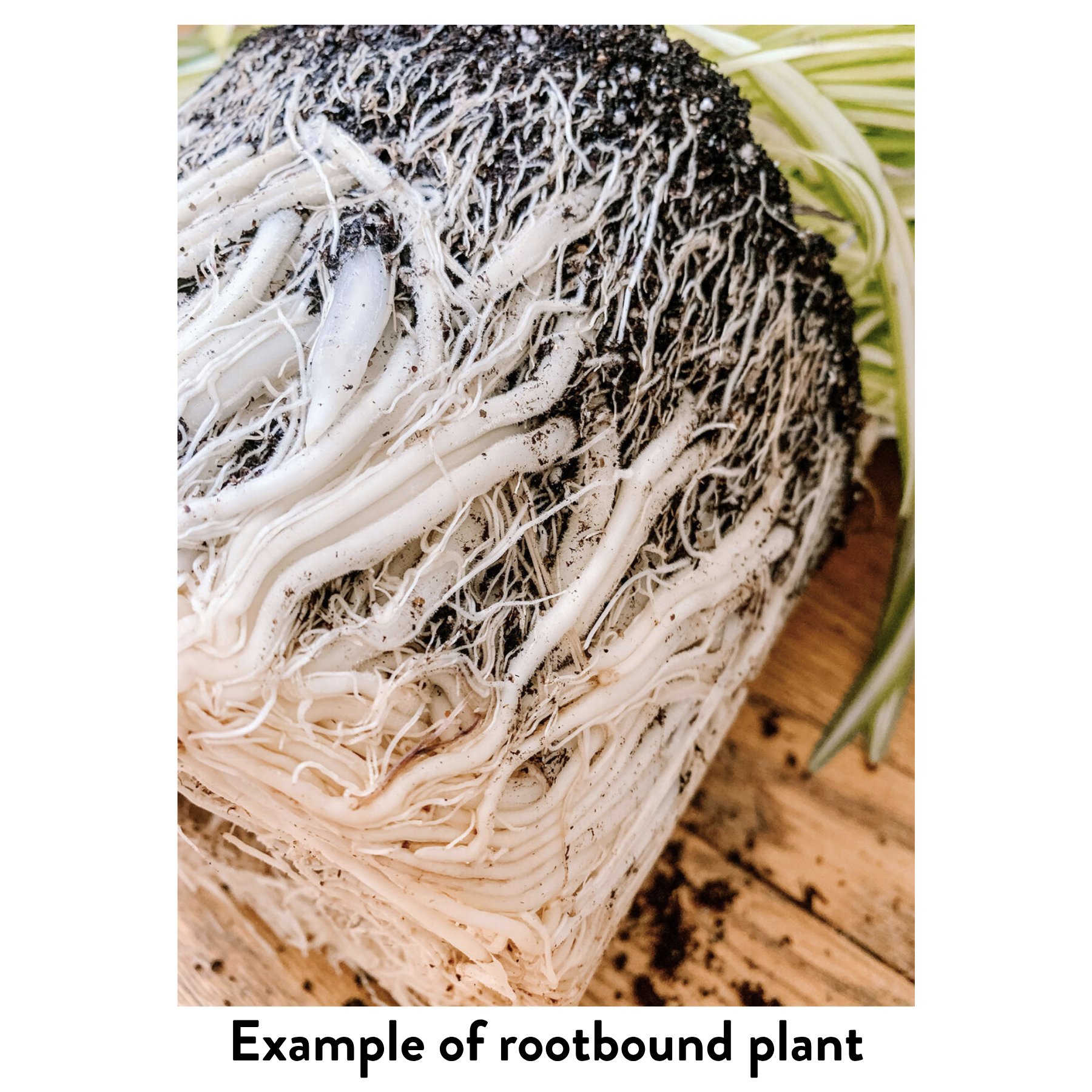
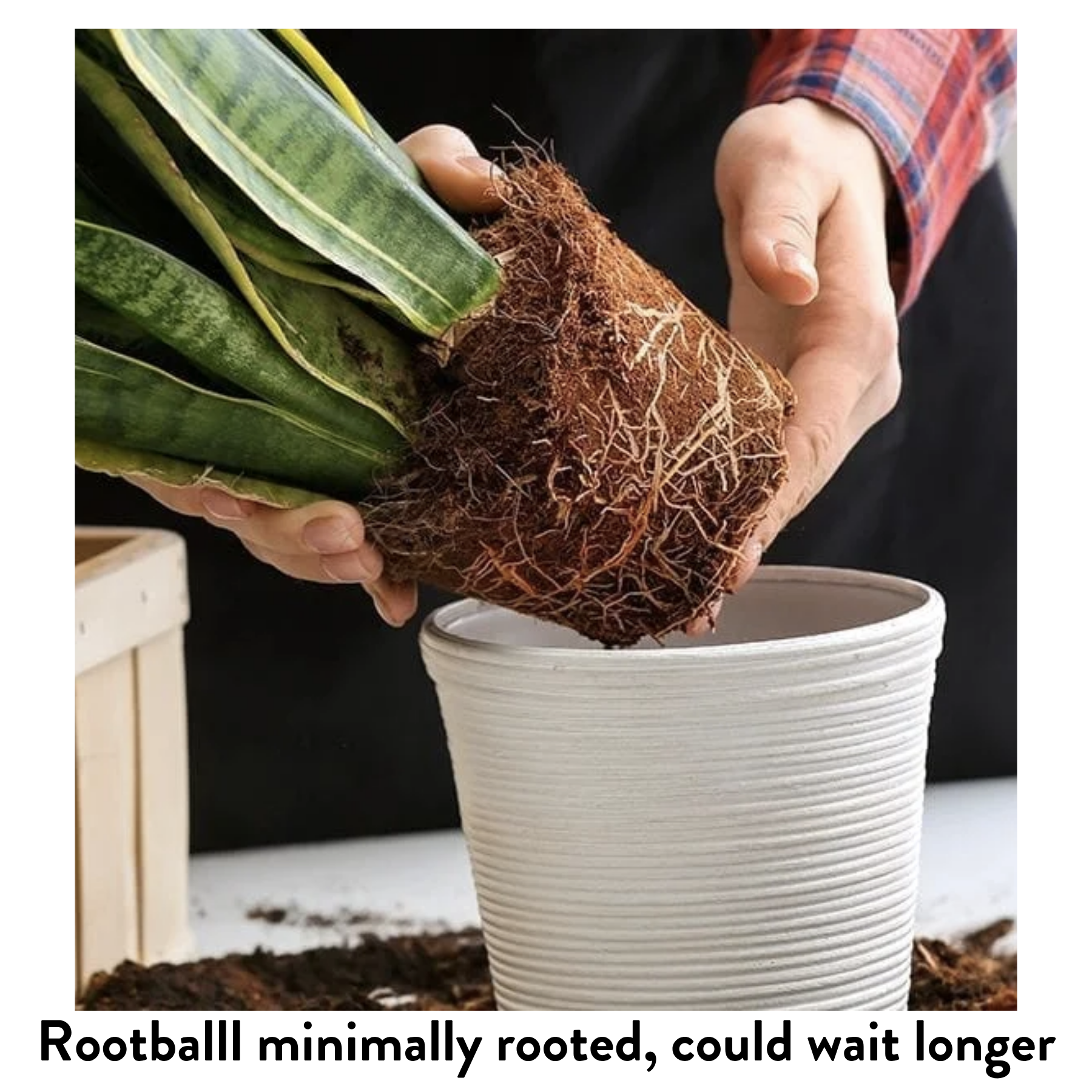
Excessive root growth coming out of drainage holes / top of pot
Length of time since last repot
Over a year (tropicals)
Over 2+ years (cacti)
Ultimately it depends on roots (and their health)
Chronic dehydration
You used to have a longer window in between needing to water
Roots have displaced soil (even pushed soil out of drainage hole) so there’s less soil to keep roots hydrated, so they dry out faster
Type of plant and knowing what they prefer
Some like to get rootbound or to stay in a tight pot
Desert plants, vining tropicals/epiphytes
Others like to just have roots evenly grown throughout soil but not rootbound
Importance of soil blends:
Different types of plants prefer different soil blends
Mimicking natural environment
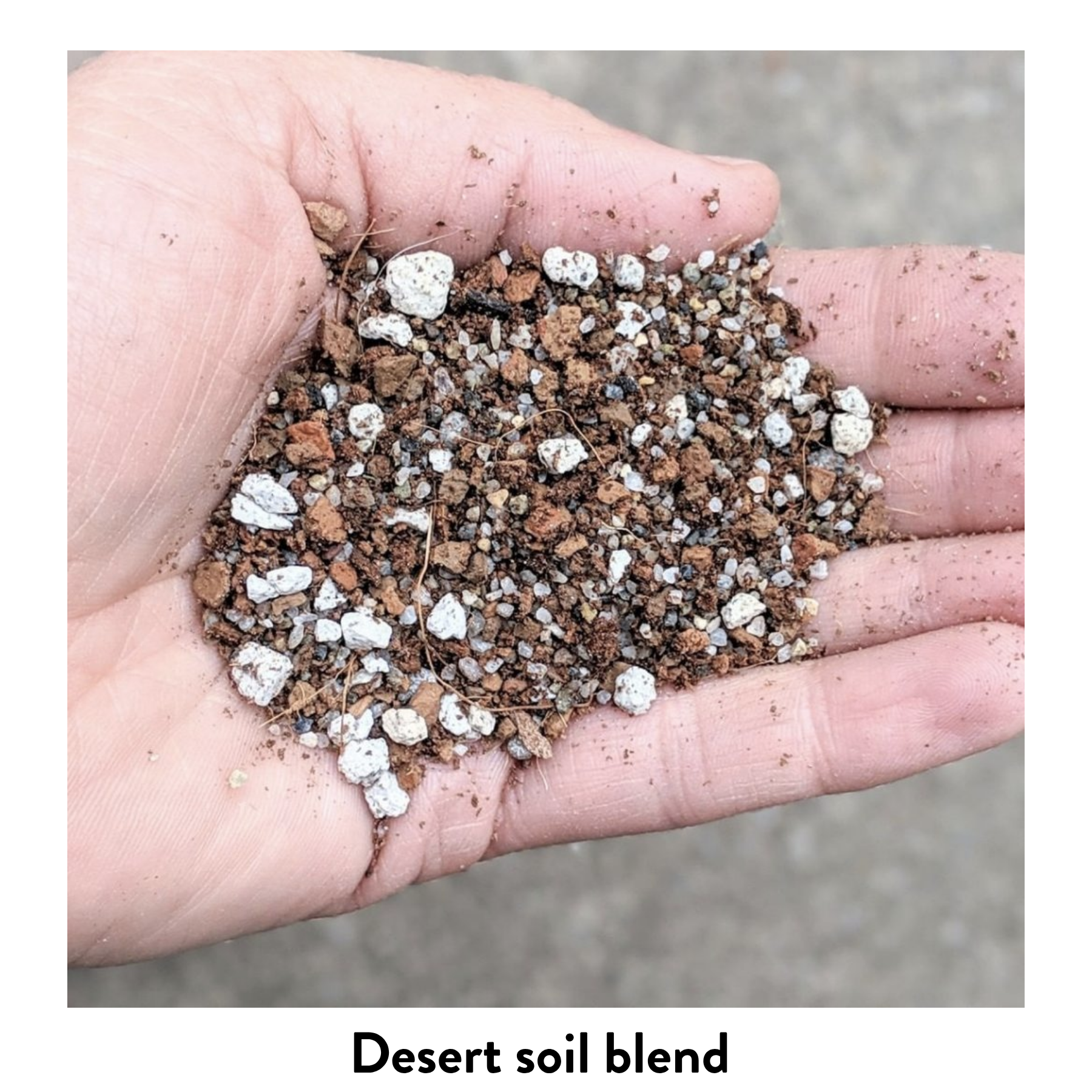
Desert plants require coarse, fast draining soil
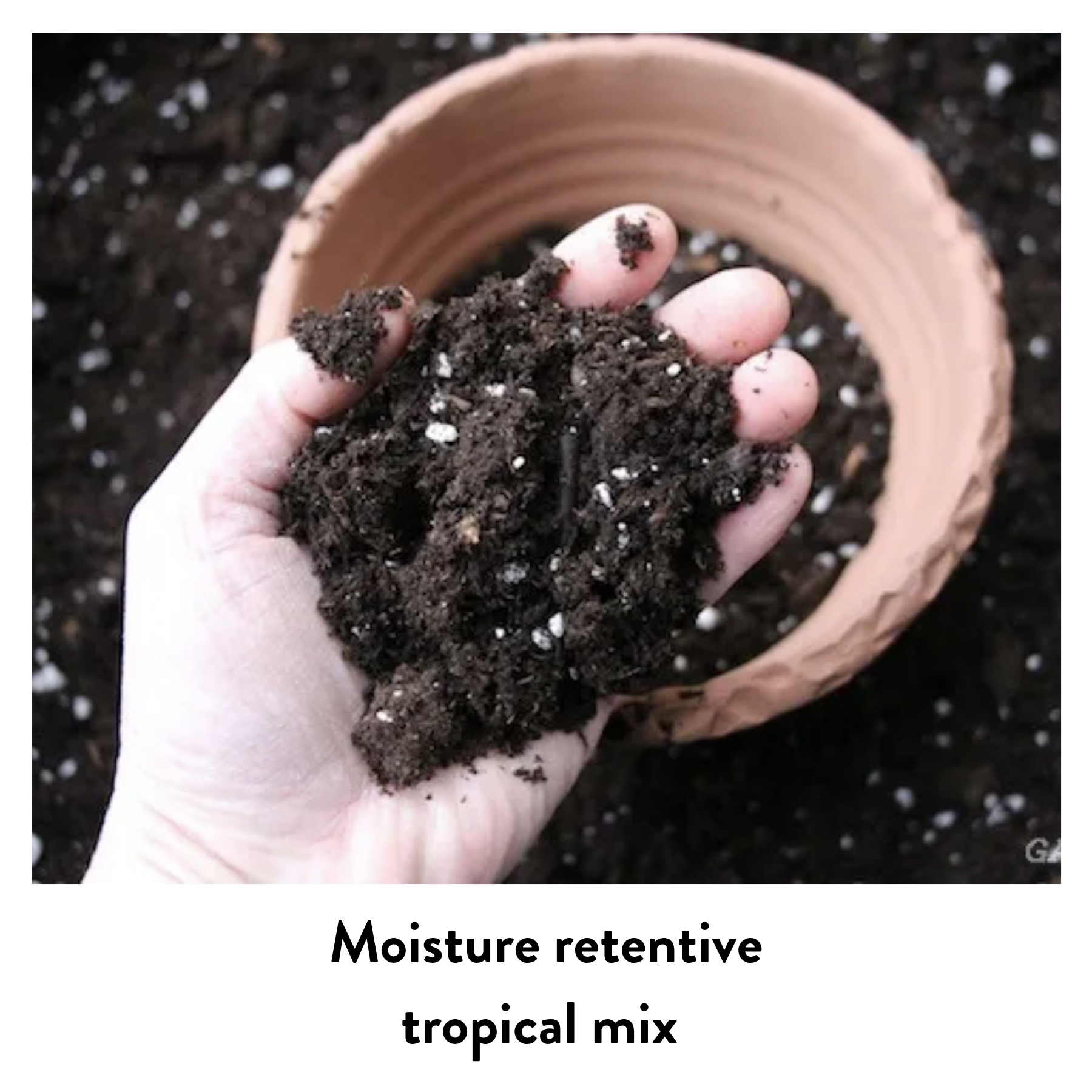
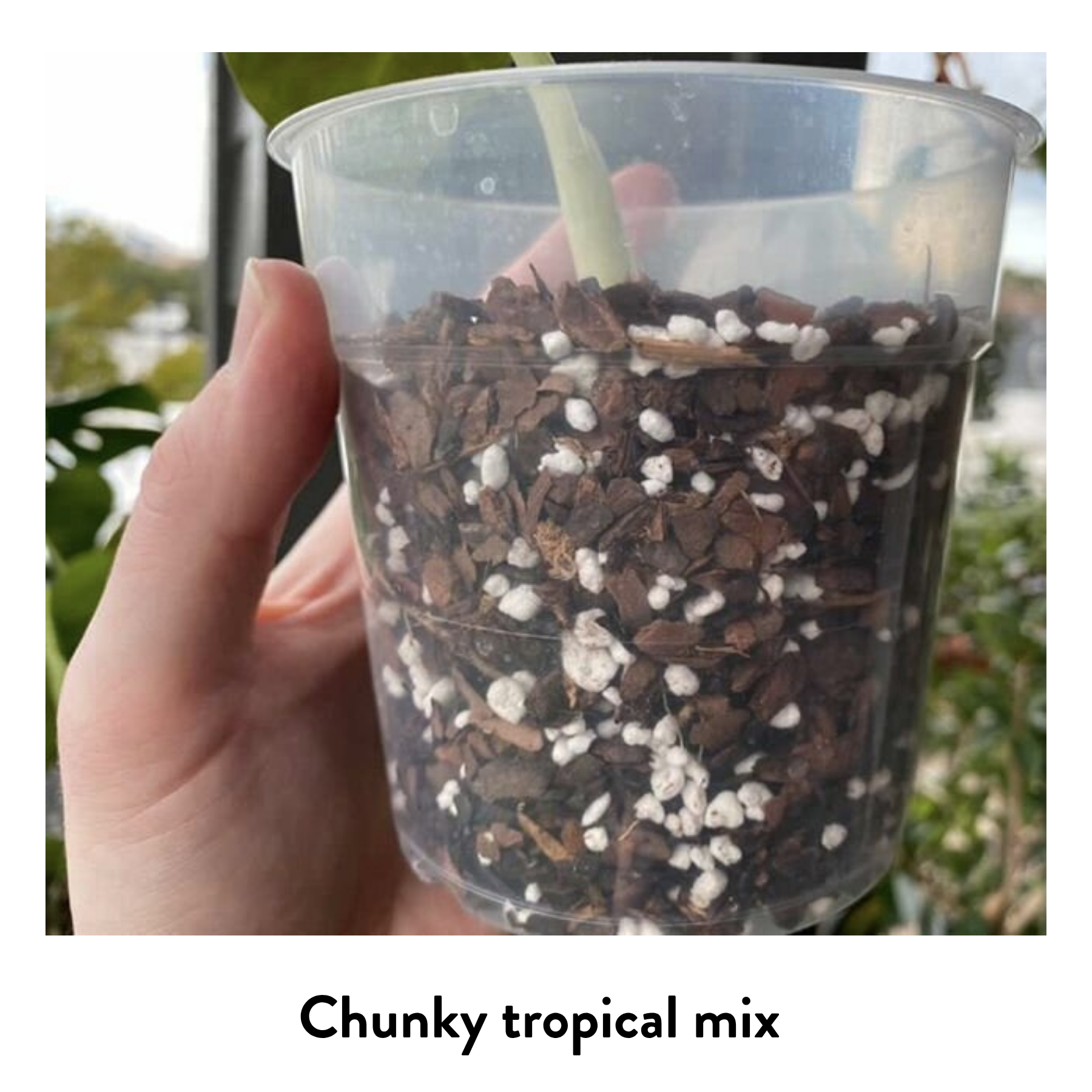
Tropical plants require a richer, more moisture retentive mix varying in chunkiness
Chunky soil: epiphytes, trees, things with thicker stems, waxy leaves
Need more airflow, prone to rotting
Less chunky tropical blend: ferns, calatheas, any tropicals that prefer to stay damp or only prefer slight dryness in between soakings
Thinner leaves / stems don’t store as much water and rely on damp soil for adequate hydration
Soil blends can also differ depending on plant maturity
Less mature “starter” tropicals almost always need a tropical blend without much chunk to keep young/thinner roots hydrated until they become more established
Importance of drainage hole:
Allows air flow throughout rootball
Prevents rotting, damage to roots
How to repot:
Slight increases in pot size
Tropicals
smaller/epiphytes: 1-2” wider and deeper
larger/trees: 2-4” wider and deeper
Desert plants
Small increases only: 1-2” wider and deeper unless very large plant with extremely rootbound roots (up to 3” wider and deeper)
Too big of a pot can cause rotting- large mass of soil will stay wet for too long
Can also cause stunted growth as plant will focus energy on rooting rather than leaf/stem growth.
Step by step:
Take plant out of existing pot
if plastic, squeeze pot all around and gently pull out from the base.
If clay/ceramic, use chopstick or dowel to loosen soil around edge of pot, pull out
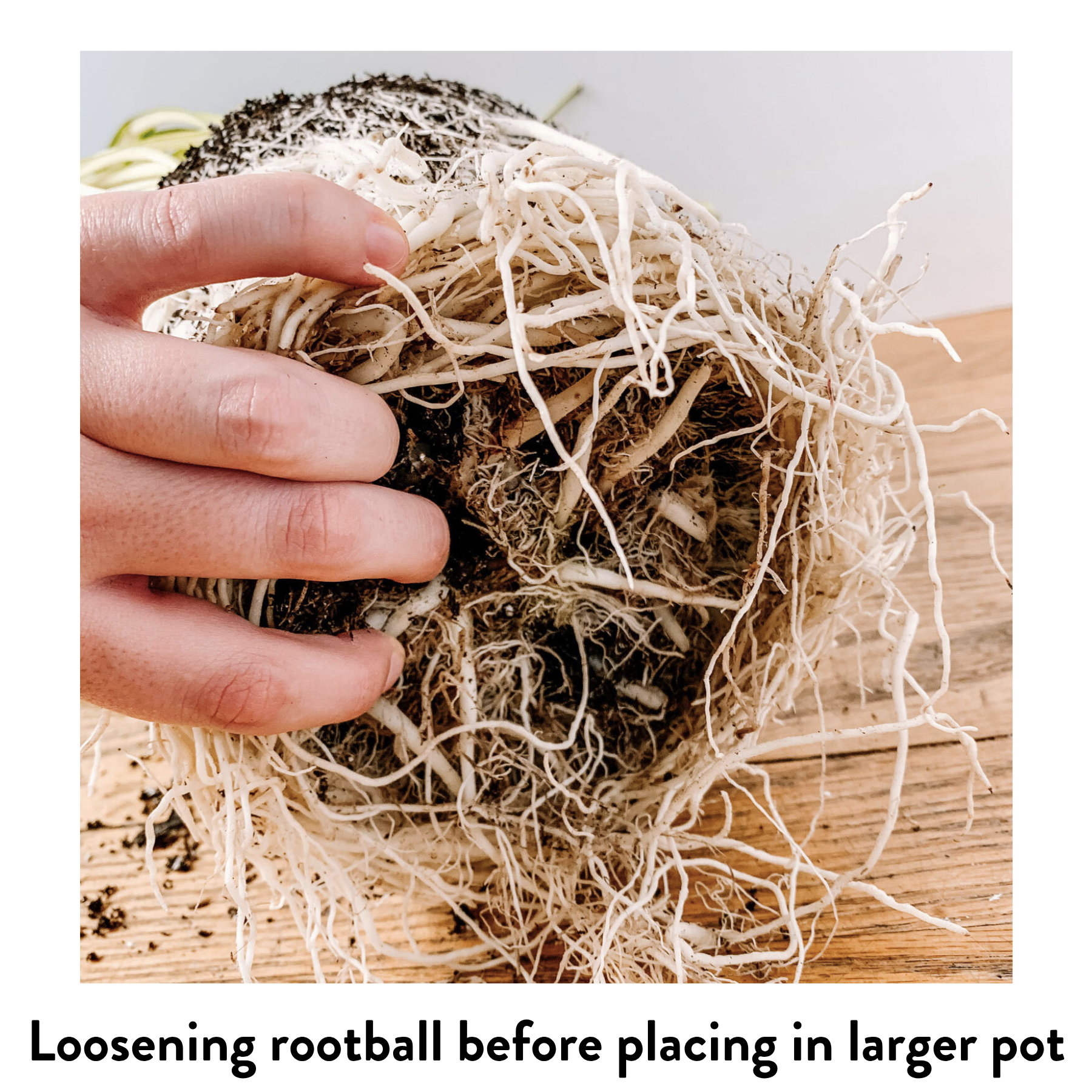
Massage rootball, detangle if rootbound. Let excess soil fall
Add 1-2” fresh soil at base of pot
Place plant into pot
Hold steady with one hand, add more soil all the way around with the other
Gently pack soil down until plant stabilizes
Unless plant is already dehydrated or new soil is very dry, no need to water until plant is ready (will likely dry out faster initially until you give that first soaking)
Keep an eye on plant as it adjusts to its new home
Your watering schedule should ideally be less frequent with more soil now added
Difference in pot types:
Pot material can be more or less porous/breathable, impacting moisture retention of soil
Clay/terra cotta = most porous, great for air flow but plants will dry out faster
Plastic = nursery pots / plastic planters are not porous but often have a lot of drainage holes so they can still dry out quickly
Thicker plastic / ceramic (especially glazed) = dry out the slowest, especially if only one main drainage hole
Desert plants do great in clay as they like fast drying soil
Starter tropicals or ones that like to stay damp do best in thicker plastic or glazed ceramic
Thicker tropicals/epiphytes can do great in any pot- you’ll just adjust your watering routine dependingly